
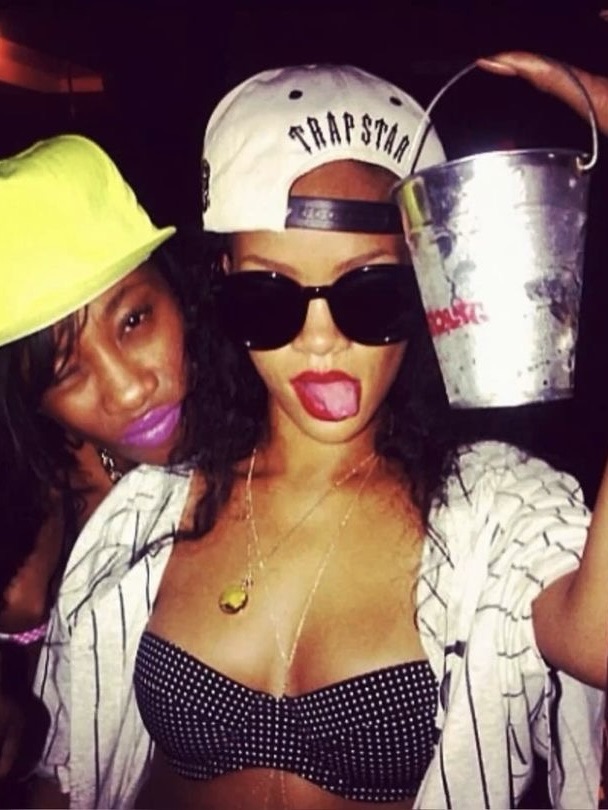
Tank top, NY Yankees cap and Isabel Marant sneakers : the 2010s are back. This decade spreads like a virus — biological in our closets, digital in our feeds — creeping into our very own mindsets. Harmless revival or the sign of a deeper glitch ?
King Kylie, tumblr and other ghosts of the era
After the 90s revival and the Y2K wave, the 2010s were the missing piece to complete the cycle. So pull out your high-tops, your flat-brim caps and dust off your old iPhone 4s buried at the back of a drawer. Earlier the year, with his vintage phone slipped into his jacket pocket, Lyas captured backstage fashion shows moments — celebrity snapshots worthy of the Met Gala’s bathroom selfies. His initiative injected the web with a new spirit of disinhibition, cutting through the ultra-polished aesthetics of the Instagram and TikTok clean girls.


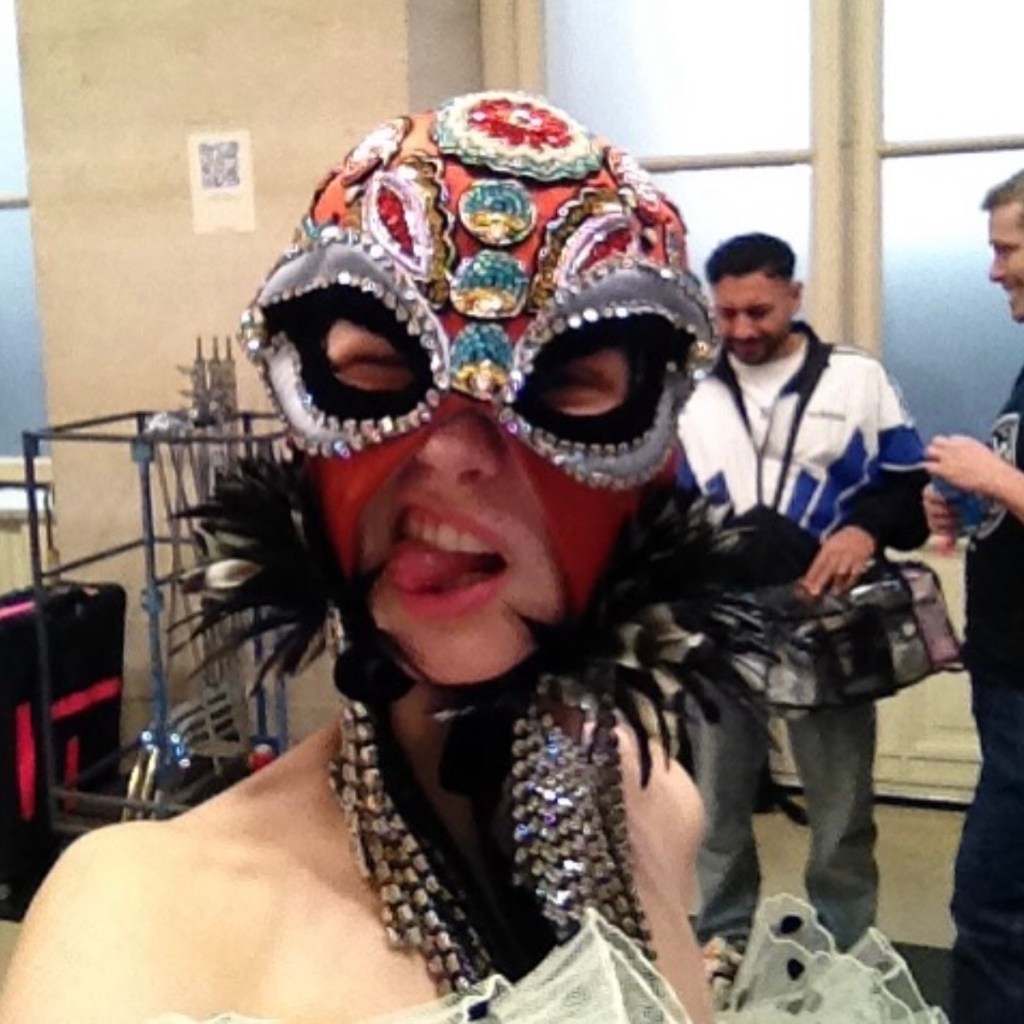

More than messy girl : dirty girl. With Brat by Charli XCX, with Lyas and others, we’re watching the ghosts of that decade being summoned. Kylie Jenner resurrected her King Kylie era last year, first with bubble-pink hair, then with a reboot of her beauty line in July. Between cringe culture and the reign of short-form content — a side effect of shrinking attention spans — TikTok increasingly recalls Vine. Dumps and shitposting are gaining ground, turning Instagram into a giant finsta. Meanwhile, seapunk, swag, and indie sleaze are locked in competition for trend supremacy.




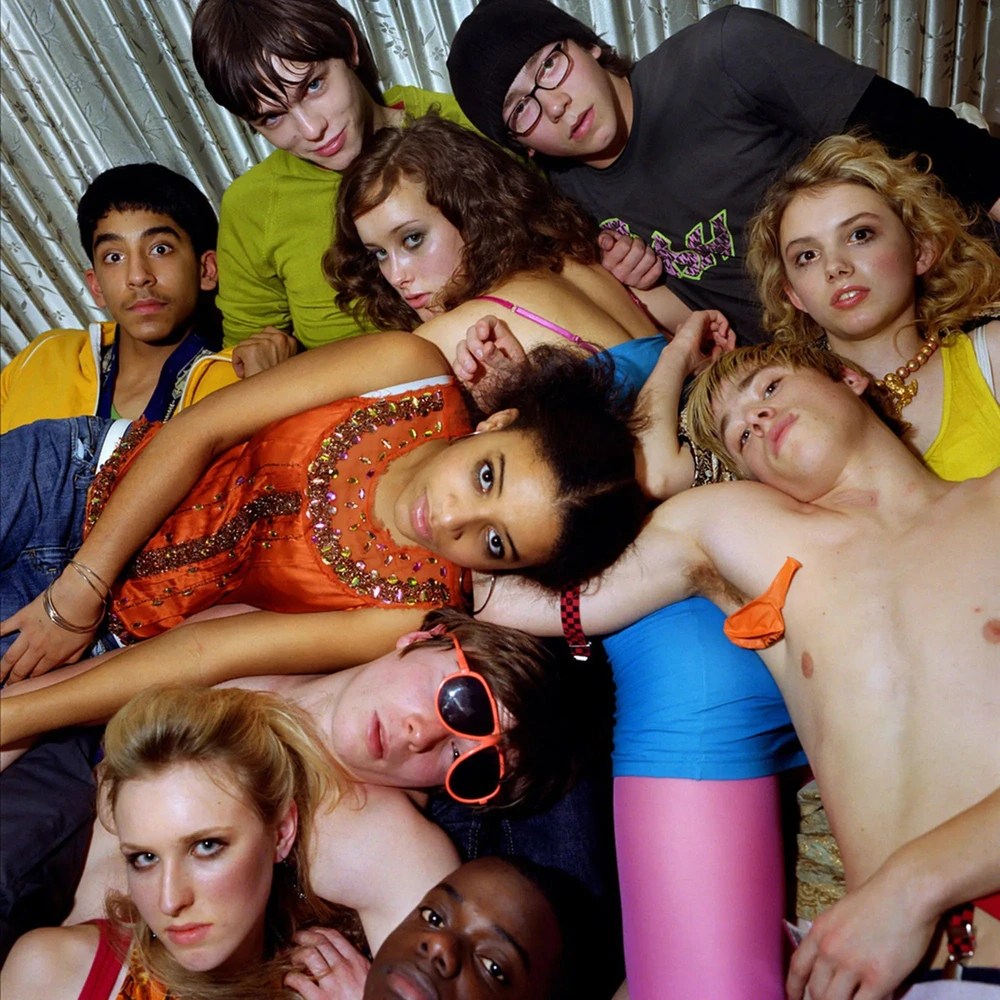
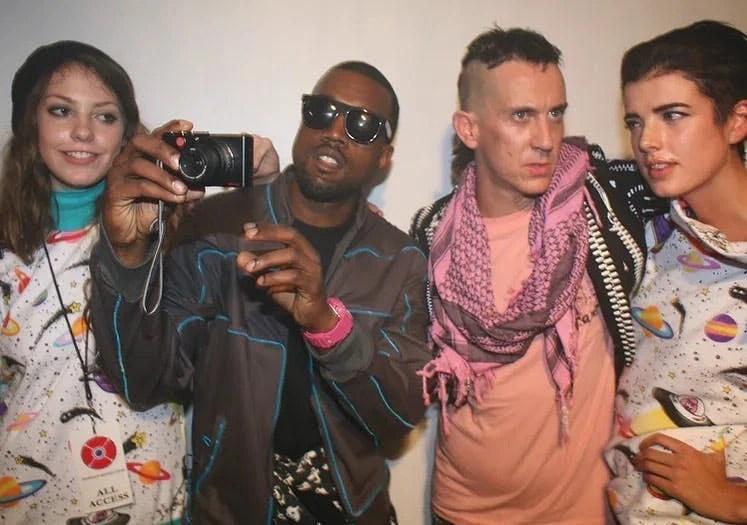
But when trends returns, they’re never just photocopies. They adapt, distort, hybridise. In other words, there are the 2010s as we lived them… and the 2025 version of the 2010s — algorithm-digested, brand-recycled, and remixed into the mainstream.
Yesterday’s underground, today’s mainstream
Media portrayals of the 2010s are rarely faithful to the decade itself — except, perhaps, Benito Skinner’s Overcompensating series, which leans deliberately into caricature. As with book-to-film adaptations, revisiting the past only matters if it offers a fresh read.
Take fakemink. Sonically hovering between cloud rap, bloghouse and electropop ; thematically orbiting romance, luxury, and knotty authenticity ; visually channeling the retro blog era aesthetic — he embodies the codes of the 2010s with ease. But behind the emo-rapper façade lies a deeper nostalgia : a kind of having missed the underground moment of that decade. A generational FOMO wrapped in melancholy.
In a world of breakneck tech advances and homogenised trends, fakemink functions like a time machine. He transports listeners back to a supposedly ‟simpler” era — when yesterday’s grade-schoolers weren’t yet aware of looming political and economic fractures. But this idealised nostalgia also exposes a core tension between commercial culture and the pursuit of authenticity.
The search for a unique — niche — style has itself become political. How do you claim the underground when the underground is catapulted onto the mainstream stage ? Does musical “marginality” even exist in a landscape saturated by streaming and hyper-visibility ?
Once flattened into mere ‟drip” aesthetics on TikTok, these codes are now resurfacing in mainstream guise. An aesthetic born on the margins, validated by algorithms, gives rise to a paradoxical counterculture : celebrated everywhere, marginal nowhere.
The illusion of the present : why 2014 returns
One of the defining codes of 2010 aesthetics was low quality. In an age where our phones shoot in 4K and deliver flawless images, some deliberately compress their visuals to reintroduce a grain of lived-in texture. Gen Z has reclaimed this glitch as a kind of artificial digitisation of reality, while Gen Alpha pushes it further : on their Instagram and Snapchat stories, faces blur into pixelated veils, as if erased by the machine.
But this visual static is more than just aesthetic. In an era of political and social instability, it mirrors blurred memory itself : the half-buried recollections of a dark decade, or projections of an uncertain future — where old certainties dissolves and new ‟truths” are invented.
This is where the 2010s and 2020s intersect : conspiracy. Back then, the Illuminati haunted forums and Youtube, half-parody, half-belief. Today, conspiracy has hardened into a political weapon. Between viral disinformation, AI-generated images, and widespread distrust of media and institutions, truth itself has dissolved. In this void, belief collapses into two poles : God and the devil — in other words, fascism.

The underground has always stood as the shadow cast against a world deemed “too pop” world. But now it’s the world itself that borrows the underground’s dark aesthetic. “Pop” only survives as a sinister echo : the crack of a gun.
 OUTERNET MAGAZINE
Laisser un commentaire